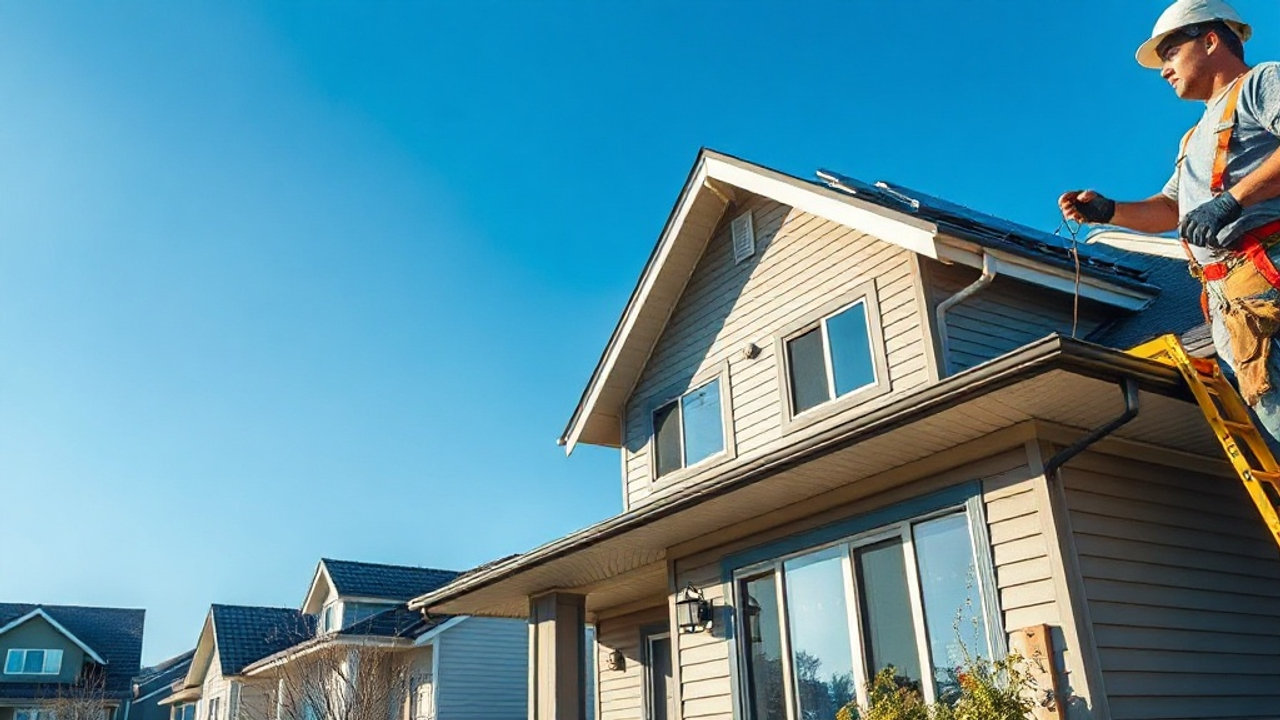
Skylights & Rooflights specializes in premium walk-on rooflights that combine safety and natural illumination. Walk-on rooflights, sometimes referred to as walkable skylights or roof access lights, ar
What Are Walk on Rooflights? Definition and Key Features
Skylights & Rooflights specializes in premium walk-on rooflights that combine safety and natural illumination. Walk-on rooflights, sometimes referred to as walkable skylights or roof access lights, are innovative glazing systems designed for safe foot traffic while providing abundant natural light. These products serve a dual purpose: enabling access to otherwise unused roof spaces and enhancing the overall aesthetic appeal of a property. Engineered to support substantial weight, walk-on rooflights typically accommodate load ratings ranging from 40 to 100 pounds per square foot. This exceeds the requirements of most residential and commercial applications, making them suitable for a variety of uses, from modern homes to bustling retail environments. Moreover, the key features of walk-on rooflights include their structural support frames, which are designed to maintain their integrity under considerable weight. These frames often incorporate advanced materials such as laminated glass, polycarbonate, or acrylic, each chosen for their durability and light transmission capabilities. Together, these elements create a product that not only meets safety standards but also invites sunlight into spaces that would otherwise be dark and uninviting. The versatility of walk-on rooflights makes them an attractive choice for architects and homeowners alike, providing both functionality and elegance in outdoor living and commercial environments.
Walk on Rooflights Load Ratings and Structural Specifications
Understanding load ratings and structural specifications is crucial when considering walk-on rooflights for any building project. This walk on rooflights guide explains that these products must be designed to withstand specific weight limits to ensure safety and functionality. Typically, walk-on rooflights are engineered to handle loads between 40 and 100 pounds per square foot, based on the intended use and foot traffic frequency. The International Code Council provides structural standards that address these specifications, ensuring that the installation complies with safety regulations. Beyond load capacity, the construction of walk-on rooflights includes robust frames built from metal or industrial-grade materials that can support heavy weights over time. This ensures that they maintain their operational integrity even under constant use. Architects and builders should consult technical specifications and product data sheets to ensure they select the right type of rooflight for their needs. Additionally, performance under varying environmental conditions, such as extreme temperatures or potential impacts, should be factored into the decision-making process. When correctly installed and maintained, walk-on rooflights can significantly enhance access and light in otherwise inaccessible areas, making them a popular option for various buildings.
Materials Comparison: Polycarbonate vs Glass vs Acrylic Rooflights
When selecting high-performance walk on rooflights products, the choice of materials profoundly influences their performance, aesthetics, and longevity.
Learn more about this comprehensive guide on walk on rooflights. The three primary options available—polycarbonate, glass, and acrylic—all present unique benefits. Polycarbonate is known for its high impact resistance, making it an excellent choice for areas that may be subject to extreme weather conditions or foot traffic. Its lightweight nature allows for easy installation, while its superior thermal insulation properties help maintain indoor temperatures effectively. On the other hand, laminated glass offers exceptional clarity and durability, delivering a premium look while ensuring high levels of safety due to its break-resistance features. Glass also provides excellent natural light transmission, allowing for bright, airy interiors. Acrylic, often touted for its affordability, presents a good balance between strength and weight, although it may not match the durability of polycarbonate or laminated glass. In scenarios where high optical clarity and aesthetics are paramount, glass remains the preferred material. However, for high-traffic environments, polycarbonate could provide a more practical solution. The choice among these materials should be guided by both functional requirements and design objectives to ensure optimal performance and visual appeal, aligning with the individual needs of each project.
Installation Requirements and Building Code Compliance
Installing walk-on rooflights calls for an understanding of various requirements and compliance with local building codes. Typically, working with experienced professionals is paramount to ensure the structural integrity of the installation. A properly executed installation not only guarantees safety but also optimizes the rooflight's performance and lifespan. Key considerations include the need for an appropriately designed frame capable of supporting foot traffic and meeting load specifications stipulated by the International Code Council. In addition to structural elements, adequate waterproofing measures must be implemented to prevent leaks that could lead to significant damage over time. Building code compliance additionally addresses issues like glass thickness, weight distribution, and thermal performance. Local amendments to the building code might impose additional requirements based on regional climate and weather conditions. It's essential to collaborate with contractors familiar with these standards to navigate the complexities of installation. Furthermore, any remodel or new construction involving walk-on rooflights must align with the local authority's regulations to pass inspections. Adherence to these requirements ensures that the installation is not only effective but also compliant, safeguarding the property and its occupants.
Walk on Rooflights Benefits: Energy Efficiency and Natural Light
One of the most compelling advantages of walk-on rooflights lies in their ability to enhance energy efficiency while flooding spaces with natural light.
These products function as more than just access points; they contribute significantly to reducing energy consumption in buildings. By allowing natural light to illuminate areas usually reliant on artificial lighting, they effectively lower energy costs over time. Walk-on rooflights are meticulously designed to minimize thermal conduction, providing insulation that helps maintain consistent indoor temperatures, further reducing reliance on heating and cooling systems. Additionally, the influx of natural light has been clinically shown to positively impact mood and productivity, making these installations particularly beneficial in workplaces and educational settings. By incorporating high-performance walk on rooflights products into your design, you can leverage the sun’s energy, transforming otherwise dark areas into vibrant, welcoming environments. This strategic use of sunlight not only creates a more pleasant atmosphere but also aligns with sustainable building practices that prioritize eco-friendly materials and design. The long-term benefits of walk-on rooflights extend far beyond aesthetics, proving invaluable in effectively managing energy resources while improving overall quality of life.
Maintenance and Safety Best Practices for Walkable Rooflights
Ensuring longevity and performance of walk-on rooflights requires adherence to maintenance and safety best practices. Regular inspections are fundamental to identifying any potential wear and tear that could compromise safety. Take care to check the seals and frames for any signs of damage, as well as the glazing material for scratches or chips that may affect its load-bearing capacity. Cleaning the surface of the rooflights is also essential to maintain optimum light transmission; dirt, debris, or algae can significantly reduce the effectiveness of the product. Use appropriate cleaning agents that are safe for the specific material of your rooflight, and avoid abrasive tools that could scratch the surface. Additionally, ensure that the surrounding roof structure remains clear of obstructions that could affect drainage or create hazards. Following a consistent maintenance schedule helps extend the lifespan of these installations while preserving their structural integrity and light transmission qualities. Property owners benefit from consulting manufacturer guidelines and local safety regulations to develop a tailored maintenance plan that addresses both routine care and emergency preparedness.
Frequently Asked Questions
Walk on rooflights consist of reinforced glass panels set into roof structures to permit both pedestrian access and daylight penetration. These units feature thick, laminated glass layers capable of supporting distributed loads from people standing or moving across them. They suit flat roof applications in residential or commercial properties where traditional flooring would otherwise block light. The frames often use aluminum or steel for durability against corrosion and temperature changes. Engineers calculate the glass thickness and support beams based on expected loads and span. This design turns roof areas into usable spaces while maintaining interior brightness. They differ from standard roof windows by their structural capacity.
Installation of walk on rooflights demands detailed structural assessment and precise fitting to ensure long-term performance. Begin by evaluating the roof's load-bearing capacity and waterproofing needs. Professionals typically handle the work because it involves cutting into the roof deck, installing supporting beams, and sealing all joints against water ingress. The process includes positioning the frame level, securing the glass panels with appropriate fixings, and integrating drainage where necessary. Local building regulations must be followed for safety compliance. Attempting DIY installation risks structural failure or leaks. A qualified installer will also verify the glass meets required impact and load standards before completion. Regular checks after installation maintain integrity over time.
Walk on rooflights increase natural light levels in rooms beneath the roof, reducing reliance on artificial lighting during daytime hours. They create open views of the sky from the walking surface, adding visual interest to outdoor areas. Property owners gain extra usable space on flat roofs without sacrificing illumination below. The aesthetic appeal often enhances the overall design of modern homes or buildings by blending indoor and outdoor environments. These features can contribute to energy efficiency through better daylighting. When properly selected, they also support the roof's thermal performance and weather resistance. Home values may rise due to the added functionality and contemporary look these installations provide.
Walk on rooflights are safe for foot traffic when designed and installed to appropriate standards. Manufacturers use multiple layers of toughened and laminated glass that resist breakage and hold together if damaged. The supporting structure must carry specified loads, including snow and maintenance equipment. Correct sealing prevents water entry that could weaken components over time. Harsh weather such as heavy rain, wind, or temperature extremes is accounted for in the engineering. Regular inspections help identify any wear or damage early. Building codes require certification of load ratings and safety factors. Users should avoid concentrated point loads like jumping and follow manufacturer guidelines for maximum capacity.
Walk on rooflights offer customization options to match specific project requirements. Sizes can range from small panels to large spans covering significant roof sections. Shapes include rectangular, square, or even curved forms depending on architectural needs. Frame materials and finishes are selectable to blend with surrounding roof elements. Glass specifications vary by tint, coating for solar control, or slip resistance on the walking surface. Designers can incorporate LED lighting or ventilation features in some models. These adaptations suit traditional or modern styles while meeting structural demands. Consultation with specialists ensures the final product aligns with both aesthetic goals and safety regulations for the intended location.
ⓘ
Quick Reference: Skylights & Rooflights
What is it?Skylights & Rooflights specializes in premium walk-on rooflights that combine safety and natural illumination. Walk-on rooflights, sometimes referred to as walkable skylights or roof access lights, ar